



Blue Light Therapy for Breakouts: How It Works on Blemish-Prone Skin
Red light gets most of the anti-aging attention, but if your main concern is breakouts, the wavelength to know is blue. Blue LED light has been studied for blemish-prone skin for years — here is what it does and how to use it well.
What blue light does differently
Where red light works deeper in the skin to support collagen and firmness, blue light acts closer to the surface. Research has focused on its effect on the environment where breakouts develop — particularly the bacteria commonly associated with blemishes, which are sensitive to blue wavelengths of light. Studies suggest regular blue light exposure can help support a clearer-looking complexion over time.
It is a fundamentally different job from red light: think of blue as targeting the conditions for breakouts, and red as supporting the skin's repair and renewal processes. That is why they appear together in well-designed LED devices.
What blue light is not
Blue light therapy is not a spot treatment that erases a blemish overnight, and it is not a replacement for medical acne treatment. If you have persistent or severe acne, a dermatologist should be your first stop. Where LED fits best is as a consistent, gentle habit for skin that is prone to congestion and the occasional breakout.
Using blue and red light together
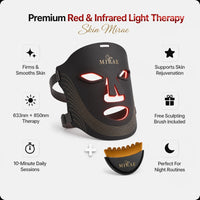
Many routines benefit from both: blue light for the breakout-prone weeks, red light for texture, tone and firmness. The SkinMirae Advanced LED Mask includes dedicated blue, red (633nm), near-infrared (850nm) and combined purple modes, so you can switch by concern — purple mode combines red and blue for skin that wants both at once.
Curious how the red side works? Read how red light therapy works.
Getting the most from blue light sessions
- Clean, dry skin first. Light should not have to travel through makeup or sunscreen. Our mask care guide covers keeping the device itself hygienic — which matters for breakout-prone skin.
- Consistency over intensity. Ten minutes, most days, following your device's guidance.
- Give it weeks, not days. As with red light, studies typically measure change over 4 to 12 weeks. Our results timeline explains why.
- Keep your routine simple. Pair with a gentle cleanser and non-comedogenic moisturiser rather than stacking new actives at the same time.
Frequently asked questions
Is blue light safe for skin?
LED blue light at cosmetic intensities is generally considered safe and does not contain UV. If you use photosensitising medication or have a diagnosed skin condition, check with your doctor first.
Can I use blue light on active breakouts?
Yes — blue light is typically used on breakout-prone areas as part of a regular routine. Avoid broken skin and follow your device's instructions.
One mask, every skin goal: explore the SkinMirae LED mask and its four wavelength modes.